Géolocalisation des véhicules d’entreprise
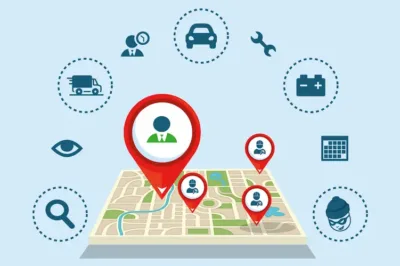
La géolocalisation des véhicules d’entreprise est devenue un outil incontournable pour les entreprises cherchant à améliorer la gestion de leur flotte automobile. Grâce à des systèmes performants basés sur la technologie GPS, il est désormais possible de suivre en temps réel les déplacements des véhicules.
Qu’est-ce que la géolocalisation des véhicules d’entreprise ?
La géolocalisation consiste à suivre la position d’un véhicule à l’aide d’un traceur GPS installé dans la voiture. Ce dispositif permet à l’employeur de collecter des données en temps réel sur les déplacements de la flotte, les arrêts effectués, ou encore la consommation de carburant. De plus en plus de systèmes de géolocalisation sont utilisés pour optimiser la gestion de la flotte automobile, notamment dans les secteurs où les déplacements sont fréquents, comme la logistique, le transport ou les services sur le terrain.
Les bénéfices pour les entreprises
La géolocalisation des véhicules offre de nombreux avantages pour une entreprise. Tout d’abord, elle permet une gestion optimisée des trajets, réduisant ainsi les coûts liés au carburant et à l’entretien des véhicules. En suivant les trajets en temps réel, les gestionnaires peuvent adapter rapidement les itinéraires en cas d’imprévu ou d’embouteillage, réduisant ainsi les temps d’arrêt et améliorant l’efficacité du travail.
De plus, l’utilisation de ces systèmes renforce la sécurité des employés et des véhicules. En cas de vol, la localisation précise du véhicule permet une intervention rapide. Certains dispositifs offrent même la possibilité de limiter la vitesse ou d’arrêter à distance le moteur en cas de problème.
Respect de la vie privée et cadre légal
Bien que la géolocalisation soit un outil précieux, elle suscite des questions en matière de droit du travail et de vie privée. L’employeur doit être particulièrement attentif à l’utilisation des données collectées. La CNIL (Commission nationale de l’informatique et des libertés) encadre strictement l’usage des traceurs GPS pour protéger les droits des salariés.
Selon la loi, les entreprises doivent informer les salariés de la mise en place d’un dispositif de géolocalisation. Cette information doit inclure la finalité du dispositif, la durée de conservation des informations et les modalités d’accès aux données. De plus, l’utilisation de la géolocalisation doit être justifiée par la nature du travail (par exemple, la livraison ou l’intervention d’urgence) et respecter le droit à la vie privée des employés. Les données collectées ne doivent pas être utilisées en dehors des heures de travail, sauf en cas de nécessité particulière.
Installation et maintenance des systèmes
L’installation d’un système de géolocalisation dans un véhicule est généralement rapide et peu invasive. Les traceurs peuvent être intégrés au tableau de bord ou connectés au système électronique du véhicule. Il est essentiel que ces systèmes soient maintenus à jour pour garantir la fiabilité des données et prévenir tout risque de défaillance technique.
Les entreprises doivent également veiller à informer leurs représentants du personnel sur les objectifs du système et s’assurer que son utilisation respecte les normes en vigueur. Une bonne communication et une transparence sur la finalité de l’outil permettent de garantir un cadre de confiance entre l’employeur et ses employés.
Notre solution de gestion de flotte
DUNASYS, expert en solutions de gestion de flotte, propose des systèmes de géolocalisation adaptés aux besoins des entreprises. En intégrant des traceurs GPS performants à vos véhicules, nous vous aidons à optimiser vos opérations tout en respectant les contraintes légales en matière de protection des données et de vie privée. Que ce soit pour suivre les déplacements de vos équipes, réduire la consommation de carburant, ou améliorer la sécurité de vos salariés, nos solutions offrent une gestion complète et transparente de votre flotte d’entreprise. Faites confiance à DUNASYS pour une gestion plus efficace et sécurisée de vos véhicules.
Pour de la gestion de flotte ou de l’autopartage en entreprise, découvrez les boîtiers télématiques de DUNASYS, une solution innovante qui vous permet de suivre en temps réel l’ensemble de vos véhicules d’entreprise, tout en optimisant la gestion de votre flotte grâce à des données précises et sécurisées.
Conclusion : une solution performante pour les entreprises
La géolocalisation des véhicules d’entreprise représente une solution efficace pour optimiser la gestion de flotte, réduire les coûts et améliorer la sécurité des employés. Cependant, il est primordial de respecter les règles en matière de protection des données personnelles et de garantir un usage conforme à la législation en vigueur. En suivant ces bonnes pratiques, les entreprises peuvent tirer le meilleur parti de ce dispositif tout en respectant les droits de leurs salariés.
Nous vous accompagnons Réponses à vos questions
Comment fonctionne un système de géolocalisation de flotte ?
Est-il légal pour un employeur de géolocaliser les véhicules d’entreprise ?
Quels sont les avantages de la géolocalisation pour une PME ?
Quelle est la durée de conservation des données GPS ?
Selon la CNIL, les données de géolocalisation peuvent être conservées pendant une durée maximale de deux mois, sauf en cas de traitement particulier (ex : preuve d’un incident).
L’employeur doit informer précisément les salariés sur cette durée, ainsi que sur les droits d’accès et de rectification.
Peut-on désactiver un traceur GPS ?
L’employeur peut-il utiliser les données GPS pour surveiller un salarié ?
Non, le but premier ne doit jamais être disciplinaire. L’utilisation des données GPS doit rester proportionnée et justifiée par la nature de l’activité. Un suivi permanent ou un usage à des fins de contrôle du temps de pause, par exemple, est considéré comme abusif.
Que contient une solution de géolocalisation Dunasys ?
La solution DUNASYS comprend :
-
Un boîtier télématique embarqué (compatible avec tout type de véhicule)
-
Une plateforme web sécurisée
-
Un accès aux données en temps réel
-
Des fonctionnalités d’analyse (comportement de conduite, alertes techniques, consommation…)
➡️ Accédez à la solution DUNASYS de gestion de flotte intelligente.
Le salarié a-t-il le droit de refuser la géolocalisation ?
Non, si la géolocalisation est légitime et justifiée, le salarié ne peut s’y opposer. Toutefois, il doit avoir été informé en amont, et l’entreprise doit s’assurer que le dispositif respecte les droits fondamentaux.
Quelles sont les obligations de l’employeur ?
L’employeur doit :
-
Informer les salariés individuellement
-
Mettre à jour le document unique
-
Respecter le RGPD et les recommandations de la CNIL
-
Justifier l’usage du système GPS
-
Garantir la sécurité des données collectées
Pourquoi choisir Dunasys pour la géolocalisation de votre flotte ?
DUNASYS vous accompagne dans l’intégration de systèmes de géolocalisation sur mesure, conformes à la législation, performants, et adaptés à vos enjeux métiers.
Grâce à notre expertise en systèmes embarqués et en connectivité véhicule, nous proposons des solutions robustes, évolutives et sécurisées.
Un système de géolocalisation de véhicules d’entreprise repose sur un dispositif GPS embarqué dans chaque véhicule. Ce traceur communique en temps réel avec une plateforme de supervision, accessible par le gestionnaire de flotte.
Ces systèmes GPS permettent de connaître la position du véhicule, les trajets effectués, les temps d’arrêt, ou encore la vitesse moyenne. L’ensemble des données collectées est centralisé pour faciliter la gestion de la flotte.
💡 Découvrez notre solution sur la gestion de flotte par télématique embarquée.
Oui, la géolocalisation est autorisée, mais elle est strictement encadrée par la CNIL et le droit du travail. L’employeur doit informer ses salariés de manière claire, justifier l’utilisation du dispositif de géolocalisation (sécurité, organisation du travail, facturation…), et limiter la conservation des données GPS dans le temps.
🔐 La protection de la vie privée est un point central. La géolocalisation ne peut être utilisée hors du temps de travail, sauf exception légitime (intervention urgente, véhicule volé…).
Pour une PME, la géolocalisation des véhicules de flotte apporte des bénéfices concrets :
-
Réduction des coûts (carburant, maintenance, temps de trajet)
-
Optimisation des plannings
-
Réactivité en cas d’imprévu
-
Sécurisation des véhicules
-
Amélioration du service client
Elle permet également une vision globale de l’activité, en s’appuyant sur des données fiables et automatisées.
🔗 Plus d’infos sur notre page dédiée à la gestion de flotte et boîtiers télématiques.
Selon la CNIL, les données de géolocalisation peuvent être conservées pendant une durée maximale de deux mois, sauf en cas de traitement particulier (ex : preuve d’un incident).
L’employeur doit informer précisément les salariés sur cette durée, ainsi que sur les droits d’accès et de rectification.
Oui, dans certaines conditions. Le système GPS peut être désactivé en dehors des heures de travail ou pour préserver la vie privée des salariés, notamment lorsque l’usage du véhicule est mixte (professionnel/personnel).
Il est également possible de prévoir des plages horaires de désactivation automatique.
Non, le but premier ne doit jamais être disciplinaire. L’utilisation des données GPS doit rester proportionnée et justifiée par la nature de l’activité. Un suivi permanent ou un usage à des fins de contrôle du temps de pause, par exemple, est considéré comme abusif.
La solution DUNASYS comprend :
-
Un boîtier télématique embarqué (compatible avec tout type de véhicule)
-
Une plateforme web sécurisée
-
Un accès aux données en temps réel
-
Des fonctionnalités d’analyse (comportement de conduite, alertes techniques, consommation…)
➡️ Accédez à la solution DUNASYS de gestion de flotte intelligente.
Non, si la géolocalisation est légitime et justifiée, le salarié ne peut s’y opposer. Toutefois, il doit avoir été informé en amont, et l’entreprise doit s’assurer que le dispositif respecte les droits fondamentaux.
L’employeur doit :
-
Informer les salariés individuellement
-
Mettre à jour le document unique
-
Respecter le RGPD et les recommandations de la CNIL
-
Justifier l’usage du système GPS
-
Garantir la sécurité des données collectées
DUNASYS vous accompagne dans l’intégration de systèmes de géolocalisation sur mesure, conformes à la législation, performants, et adaptés à vos enjeux métiers.
Grâce à notre expertise en systèmes embarqués et en connectivité véhicule, nous proposons des solutions robustes, évolutives et sécurisées.