Dunasys Telematics

DCar-BT

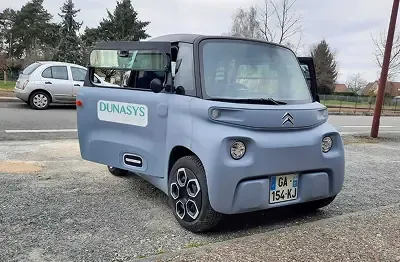
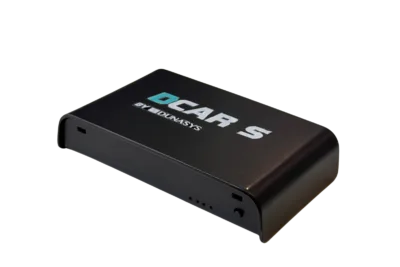
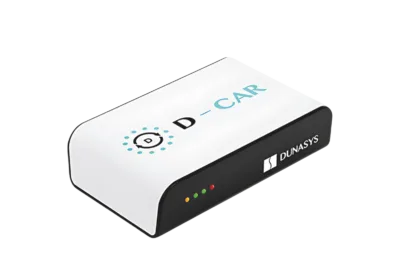
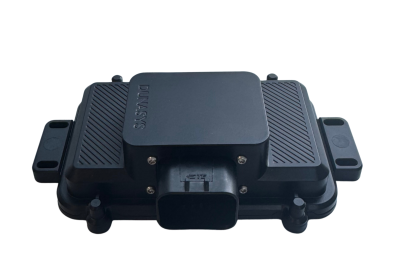
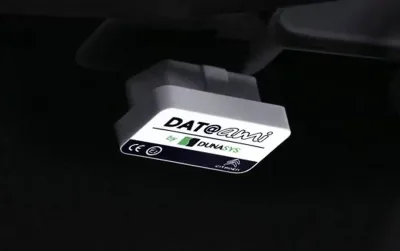
The DCar-BT is a compact, smart device designed to connect non-connected vehicles. Currently factory-fitted on the Citroën AMI, Fiat Topolino, and Opel Rocks-e, it integrates easily with manufacturers’ apps via Bluetooth, delivering a smooth, modern user experience.

Design Sans Titre (17)

Why Choose DCar-BT?

Features
Specifications
Mileage and Trip Reporting
Real-Time Vehicle Location
Range Data
Battery State of Charge
Appointment Booking With Partner Garages
Connectivity & Interfaces
  • 2 high-speed CAN channels (ISO 15765 / UDS / SAE J1939)
  • Bluetooth Low Energy 4.2 (OTA configuration & firmware updates)
  • OBD-II connector, 6–26 V compatible
  • 3-axis accelerometer
  • Battery monitoring via internal ADC
Hardware & Performance
  • Standalone recording in case of network loss
  • Guaranteed zero data loss
Security & Compliance
  • ISO 26262 compliant (automotive functional safety)
  • Developed to OEM first-fit ECU standards
  • CAN standards: ISO 15765-4, ISO 14229 (UDS), SAE J1939
  • TISAX certified
Power Management
  • Nominal consumption: 10 mA @ 12 V
  • Automatic sleep mode after inactivity (customizable)
  • Wake-up via CAN, BLE, or APC
  • Deep sleep mode: only 20 µA
Physical Characteristics
  • Dimensions: 47 × 24 × 20 mm
  • Weight: 20 g
  • Operating temperature range: –30°C to +85°C
  • Humidity: <70%

Key Benefits

Certified Automotive Reliability

Accurate, Actionable Data

Low Power Consumption

Zero Data Loss

Simplified OTA Updates

Img Dunasys 9

Need a Solution for Your Non-Connected Vehicles?

Currently Factory-Fitted on the Citroën AMI

Ami One 1

The DCar-BT meets the requirements of the ISO 26262 automotive safety standard

Its design rules are those applied to first-fit automotive products.

Cesar Badilla Miranda 2oqmevrwqws Unsplash 1

How We Support You After Installation

DUNASYS provides a comprehensive FAQ to support you at every stage of your projects.

Visuel Hero Homepage 5

Frequently Asked Questions

A connected monitoring device makes it possible to remotely supervise and control mobile equipment or systems through embedded communication technologies.

Remote control improves responsiveness, allows real-time monitoring of equipment, and reduces the need for physical on-site visits.

DCar-BT can be used to connect various mobile systems, industrial equipment, or infrastructure that requires data exchange and remote monitoring.

A versatile solution adapts to different uses, platforms, and technical environments without multiplying the number of dedicated devices.

Yes, DCar-BT was designed to meet supervision, control, and connectivity needs in a variety of industrial and technical environments.

Real-time connectivity improves equipment monitoring, speeds up decision-making, and optimizes field operations.

Img Dunasys 9

Need a Custom Telematics Solution?

Learn more

A Versatile Connected Device for Remote Monitoring and Control

DCar-BT is a connectivity solution developed to remotely monitor, control, and interact with various mobile systems and connected equipment. With its multiple communication and integration capabilities, this device adapts to many industrial applications requiring data exchange, field monitoring, and advanced connectivity.

Its versatility makes it possible to integrate embedded communication, remote control, and technical data reporting features in a wide range of environments. DCar-BT can thus be used to connect mobile equipment, monitor installations, or handle data exchanges between connected systems and business platforms.

Designed for projects requiring flexibility, compatibility, and remote monitoring, DCar-BT is a solution suited to industrial applications, connected infrastructure, and environments that call for real-time control and communication.

window.axeptioSettings = { clientId: "6a0ef5d9520c669d99b0637f", cookiesVersion: "19g69mq6ef0um", }; (function(d, s) { var t = d.getElementsByTagName(s)[0], e = d.createElement(s); e.async = true; e.src = "//static.axept.io/sdk.js"; t.parentNode.insertBefore(e, t); })(document, "script");