Car Fleet Software: Manage Your Fleet Easily
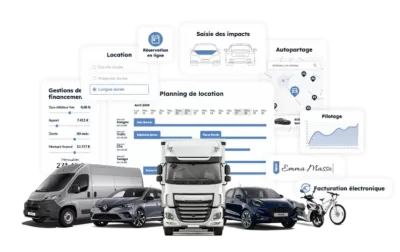
Fleet Management Software: Simplify and Optimize Your Vehicle Fleet
Fleet management software is an essential tool for any organization that operates vehicles, whether it manages a small fleet of company cars or a large network of commercial and transportation vehicles. It enables businesses to centralize, automate, and optimize every aspect of vehicle fleet management. In other words, it helps fleet managers move away from time-consuming manual processes and adopt a more strategic and efficient approach to fleet operations.
The primary goal of fleet management software is to provide complete visibility into your fleet, help control operating costs, and support informed decision-making. What was once a complex administrative task becomes a powerful driver of efficiency and business performance.
Key Features of Comprehensive Fleet Management Software
A modern fleet management solution offers a wide range of features designed to support every stage of a vehicle’s lifecycle.
Vehicle Inventory and Asset Tracking
At the core of any fleet management platform is a centralized database containing detailed information about every vehicle in your fleet.
This typically includes:
- Technical specifications (model, engine type, fuel type, etc.)
- Administrative information (registration documents, acquisition date, purchase value)
- Vehicle assignment to drivers, departments, or business units
- Depreciation tracking and residual value monitoring
Centralizing this information provides real-time fleet visibility and makes data easily accessible for fleet managers and employees alike.
Fuel Management and Consumption Monitoring
Fuel expenses often represent one of the largest operating costs within a fleet. Modern fleet management software automatically collects fuel consumption data through fuel cards, telematics systems, and connected vehicle technologies.
These insights help organizations:
- Identify unusual fuel consumption patterns
- Detect inefficiencies and excessive fuel usage
- Calculate the actual cost per mile or kilometer
- Compare fuel performance across vehicles and drivers
Accurate fuel analytics are essential for reducing operating costs and improving fleet efficiency.
Preventive and Corrective Maintenance Management
Vehicle maintenance plays a critical role in fleet reliability and longevity. Fleet maintenance software helps businesses schedule preventive maintenance activities such as oil changes, inspections, and servicing based on mileage, engine hours, or time intervals.
The platform can also manage corrective maintenance by:
- Tracking repairs and maintenance history
- Monitoring maintenance costs
- Managing supplier quotations and invoices
- Creating automated alerts for inspections, servicing, and regulatory deadlines
By optimizing maintenance planning, organizations can reduce vehicle downtime and avoid costly unexpected breakdowns.
Accident and Violation Management
Managing traffic violations, fines, and accidents can be both time-consuming and administratively complex.
Fleet management software simplifies these processes by allowing users to:
- Report and track accidents efficiently
- Identify the responsible driver for traffic violations
- Manage insurance claims and repair workflows
- Receive automated reminders for insurance renewals and compliance deadlines
These capabilities improve compliance while reducing administrative workload.
Administrative and Financial Management
Fleet administration involves numerous contracts, invoices, taxes, and budgetary considerations.
Fleet management software automates many of these tasks, including:
- Lease and vehicle acquisition contract management
- Fleet tax calculations and reporting
- Budget tracking and cost allocation
- Financial dashboards and reporting
Automation enables fleet managers to focus on strategic initiatives rather than routine administrative tasks.
The Benefits of Fleet Management Software
Implementing a fleet management solution delivers both immediate and long-term advantages, making it a strategic investment for businesses of all sizes.
Reduced Administrative Workload and Time Savings
Manual spreadsheets and paper-based records quickly become difficult to manage as fleets grow.
By centralizing information and automating repetitive tasks, fleet management software significantly reduces administrative burden. Users can quickly access fleet data, generate reports, and monitor key performance indicators from a single platform.
Enhanced Visibility and Smarter Decision-Making
Customizable dashboards provide real-time insights into fleet performance.
Fleet managers can monitor:
- Vehicle utilization
- Maintenance costs
- Fuel consumption
- Driver performance
- Asset availability
These insights help identify underperforming vehicles and support informed decisions regarding vehicle replacement, allocation, and investment.
Total Cost of Ownership (TCO) Optimization
One of the most valuable benefits of fleet management software is its ability to optimize Total Cost of Ownership (TCO).
By analyzing all vehicle-related expenses, including acquisition, fuel, maintenance, insurance, and depreciation, organizations gain a clear understanding of fleet profitability and operational efficiency.
This data helps businesses:
- Select the most cost-effective vehicle models
- Negotiate better supplier agreements
- Identify inefficient driving behaviors
- Reduce overall fleet operating costs
For many organizations, TCO becomes a key performance indicator for fleet management success.
How to Choose the Right Fleet Management Solution
The market offers a wide range of fleet management platforms, making it important to evaluate solutions carefully before making a decision.
Key Criteria to Consider
When selecting fleet management software, consider the following factors:
Functionality
Ensure the solution covers your specific requirements, including maintenance management, driver assignment, fuel monitoring, accident management, and reporting.
User Experience
The platform should be intuitive and easy to use for both fleet managers and employees.
Scalability
Choose a solution that can grow alongside your business and accommodate future fleet expansion.
Support and Services
Reliable customer support and technical assistance are essential for successful implementation and long-term adoption.
SaaS vs. On-Premise Fleet Management Software
Software as a Service (SaaS) solutions are cloud-based and accessible from any device with an internet connection. They offer flexibility, lower upfront costs, automatic updates, and enhanced accessibility.
On-premise solutions are installed on a company’s own servers and provide greater control over data and infrastructure. However, they typically require higher IT investments and ongoing maintenance.
For most small and medium-sized businesses, cloud-based SaaS fleet management software offers the best balance of flexibility, scalability, and cost-effectiveness.
DUNASYS: Your Partner for Smarter Fleet Management
At DUNASYS, we understand the daily challenges faced by fleet managers. Our fleet management solution has been designed to simplify and optimize every aspect of vehicle fleet operations, regardless of fleet size or industry.
Our software provides a complete and modular platform that enables organizations to manage their fleet with confidence. From fuel monitoring and maintenance management to cost analysis and performance reporting, DUNASYS centralizes all critical fleet data in one intuitive interface.
Features Designed Around Your Needs
DUNASYS offers a comprehensive suite of tools to support modern fleet management:
- Real-time vehicle inventory and tracking
- Fuel consumption monitoring and cost control
- Maintenance scheduling and service management
- Accident, violation, and compliance management
- Advanced reporting and customizable dashboards
- TCO analysis and fleet performance optimization
Our commitment goes beyond technology. We support our customers throughout the entire project lifecycle, from implementation and integration to training and ongoing assistance.
Our goal is simple: provide the tools and expertise you need to optimize fleet operations, reduce costs, and focus on growing your business.