ADAS Testing: A Guide to Understanding Test Procedures
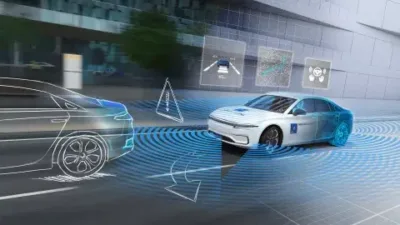
Advanced driver assistance systems, better known as ADAS (Advanced Driver Assistance Systems), are at the heart of the autonomous vehicle revolution. These intelligent systems use a combination of sensors, cameras, radars, and lidars to improve driver safety by monitoring the vehicle’s environment and making real-time decisions to avoid collisions and keep the vehicle in its lane. However, before integrating these systems into vehicles, an essential phase is required: ADAS testing.
What Is ADAS Testing?
ADAS testing refers to all the rigorous test procedures applied to driver assistance systems to ensure they function correctly under all possible conditions. These tests are crucial for the development of autonomous vehicles, where safety and reliability are paramount. Testing covers various aspects, ranging from the validation of data processing algorithms to verifying the correct integration of sensors and systems within the vehicle.
Why Is ADAS Testing Crucial?
ADAS systems are complex and rely on data from multiple sensors, such as cameras, radars, lidars, and inertial measurement units. These sensors provide vital information about the vehicle’s environment, including the position of other vehicles, distance to objects, and road conditions. For these systems to function optimally, each component must be tested under realistic conditions that simulate real-world driving situations.
ADAS Testing Methods
ADAS testing relies on various methods to ensure systems function correctly:
- Hardware-in-the-Loop (HIL) testing: This method enables electronic components to be tested in a simulation environment. HIL testing recreates real-time driving scenarios, making it possible to validate control algorithms without requiring a physical vehicle.
- Real-world condition testing: On-road tests are essential for validating ADAS systems under real driving conditions. The data collected during these tests is crucial for fine-tuning systems and ensuring they respond correctly to unexpected situations.
- Driving simulation: Simulation is a powerful tool for ADAS system development. It makes it possible to test scenarios that are difficult to reproduce in reality, such as extreme weather conditions or complex emergency situations.
The Importance of Data Acquisition and Sensor Testing
Data acquisition and analysis are at the heart of ADAS testing. ADAS systems must be capable of processing massive quantities of data in real time in order to make fast and precise decisions. Sensors such as radars, lidars, and cameras play a key role in recording this data. Sensor testing ensures that each sensor is functioning correctly and is properly calibrated to capture the necessary information with precision.
Validation and Safety of Autonomous Vehicles
The validation of ADAS systems is crucial for guaranteeing the safety of autonomous vehicles. Each system must be rigorously tested to ensure it can respond correctly in all driving situations. This includes collision tests, lane-keeping tests, and object avoidance tests. Closed-loop validation ensures that the entire system, from sensor to controller, operates in harmony.
Dunasys’s Expertise in ADAS Testing
Dunasys, a pioneering company in the field of embedded systems and advanced technology validation, stands out for its innovative approach to ADAS testing. With significant experience in the field, Dunasys offers comprehensive solutions covering the entire ADAS system validation process, from simulation to the analysis of sensor data. Thanks to its expertise, the company supports vehicle manufacturers in integrating safe and high-performing systems that meet the most stringent market standards.
Conclusion
ADAS testing is an essential step in the development of autonomous vehicles, ensuring that these advanced technologies are safe and reliable before being deployed on public roads. Through rigorous testing methods and precise data acquisition via our DUNALOG Datalogger, ADAS systems can deliver enhanced safety, bringing the dream of fully autonomous vehicles closer to reality. For manufacturers and engineers, it is essential to continue refining these systems to meet the growing demands for safety and performance. Through continuous innovation and Dunasys’s commitment, manufacturers can ensure their systems meet the highest standards of safety and performance.