What Is a Telematics Receiver?
What Is a Telematics Receiver?
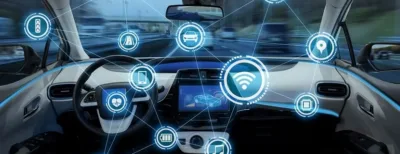
A telematics receiver is a key component in modern vehicle management systems. Used within sophisticated embedded systems, it enables the collection, processing, and transmission of essential vehicle data. Thanks to this technology, fleet managers and vehicle owners can monitor vehicle location and status in real time, making maintenance planning, performance optimization, and operational management more efficient.
What Is a Telematics Receiver?
A telematics receiver is an electronic device installed in a vehicle that receives, processes, and transmits data through GPS technology, wireless communications, and cellular networks. This information may include vehicle location, fuel consumption, engine diagnostics, driving behavior, and much more.
Using dedicated wiring harnesses and vehicle communication interfaces, the telematics receiver connects to various sensors and electronic modules throughout the vehicle, including the dashboard, navigation systems, electronic control units (ECUs), and other onboard systems.
Telematics receivers are widely used to monitor vehicles in real time, helping organizations prevent breakdowns, improve fleet management, and enhance vehicle safety. Whether you operate a single vehicle or manage a large fleet, telematics provides a comprehensive solution for connected vehicle data management.
Key Features and Components
DTC and Communication Modules for Real-Time Diagnostics
Diagnostic Trouble Codes (DTCs) are generated by a vehicle’s onboard diagnostic systems whenever a fault or malfunction is detected. Communication modules transmit this information remotely, allowing fleet managers and maintenance teams to access diagnostic data without physically inspecting the vehicle.
These capabilities are essential for remote diagnostics, preventive maintenance, and vehicle health monitoring.
GPS and Navigation Systems
Modern navigation systems are often connected to telematics receivers through integrated GPS antennas.
These systems enable:
- Real-time vehicle tracking
- Route monitoring and optimization
- Navigation assistance for drivers
- Geofencing and location-based alerts
For fleet operators, GPS-enabled telematics provides complete visibility into vehicle movements and operational efficiency.
Vehicle Connectivity and Electronic Interfaces
Telematics receivers communicate with a vehicle’s electronic systems through dedicated connectors and communication networks.
These connections enable seamless interaction between the telematics device and components such as:
- Engine control units (ECUs)
- Dashboard displays
- Infotainment systems
- Vehicle sensors
- Driver assistance systems
This integration ensures continuous access to operational and diagnostic information.
Fleet Management and Performance Monitoring
Telematics receivers play a central role in fleet management by connecting vehicles to a centralized software platform.
Fleet managers can monitor:
- Fuel consumption
- Vehicle utilization
- Driver behavior
- Maintenance requirements
- Vehicle location and status
- Operational performance indicators
By transforming vehicle data into actionable insights, telematics systems help organizations improve efficiency, reduce operating costs, and make data-driven decisions.
How Does a Telematics Receiver Work?
A telematics receiver gathers information from sensors and electronic systems installed throughout the vehicle.
The process typically involves:
- Collecting operational and diagnostic data from onboard systems.
- Processing and organizing this information locally.
- Transmitting the data through cellular networks, GPS communications, Bluetooth, or other wireless technologies.
- Displaying the information on a centralized cloud-based platform where users can access reports, alerts, and analytics in real time.
Reliable communication between the telematics receiver and the vehicle’s electronic architecture is essential to ensure accurate data collection and transmission.
DUNASYS Telematics Solutions
As a specialist in telematics and embedded systems, DUNASYS helps organizations optimize fleet management through advanced connected vehicle technologies.
Our telematics devices and platforms provide:
- Real-time vehicle tracking
- Remote diagnostics and maintenance alerts
- Fuel consumption monitoring
- Driver behavior analysis
- Fleet performance reporting
- Route optimization
- Connected vehicle data management
By leveraging advanced telematics technologies, DUNASYS enables businesses to improve vehicle availability, reduce maintenance costs, optimize fleet performance, and enhance operational efficiency.
Conclusion
A telematics receiver is an essential component of modern connected vehicle ecosystems. Whether used for diagnostics, navigation, fleet management, or real-time vehicle monitoring, it provides the connectivity and intelligence needed to optimize vehicle operations.
By investing in advanced telematics solutions, organizations can improve vehicle safety, reduce operating costs, enhance maintenance planning, and maximize the performance of their vehicle fleets. DUNASYS telematics technologies help businesses unlock the full value of connected vehicle data and build smarter, more efficient mobility operations.
Frequently Asked Questions (FAQ)
A telematics receiver is an embedded electronic component that captures, analyzes, and transmits data remotely through GSM, GPS, cellular, or radio communication networks. Working in conjunction with a telematics transmitter, it receives and processes signals related to vehicle navigation, driving behavior, vehicle status, and Diagnostic Trouble Codes (DTCs).
Within a connected vehicle ecosystem, the telematics receiver plays a central role in collecting and exchanging data between the vehicle and a centralized management platform. This enables real-time vehicle monitoring, remote diagnostics, fleet management, predictive maintenance, and operational optimization.
In many modern Peugeot and Citroën vehicles, the telematics system is integrated into the Data Communication Module (DCM), which is responsible for transmitting and receiving vehicle data. Depending on the model and onboard architecture, the telematics receiver may be located:
- Within the central wiring harness, close to the vehicle’s electronic control units (ECUs)
- Behind or underneath the dashboard
- Integrated into the DCM located behind the navigation or infotainment system
- Connected to the GPS antenna or radio communication module
The exact location of the telematics receiver depends on the vehicle’s electronic architecture, onboard display system, and connectivity features. Accessing the unit may require manufacturer-specific technical documentation or assistance from qualified automotive technicians.
The telematics receiver captures and processes data transmitted by the telematics transmitter, typically a device installed within the vehicle. Together, they form a complete data transmission system that enables:
- GPS vehicle tracking and real-time location monitoring
- Transmission of Diagnostic Trouble Code (DTC) alerts and vehicle health information
- Remote control of vehicle functions, such as door locking, unlocking, or engine immobilization, depending on the system configuration
By working together, the telematics receiver and transmitter enable continuous communication between the vehicle and a centralized platform, supporting connected vehicle services, fleet management, remote diagnostics, and advanced telematics applications.
Yes, some suppliers and automotive equipment manufacturers offer telematics receivers as standalone components, particularly for replacement purposes or integration into custom vehicle connectivity projects.
At DUNASYS, we provide both complete and modular telematics solutions that can be tailored to specific operational requirements. Our technologies are compatible with a wide range of professional vehicles and support applications such as fleet management, vehicle tracking, remote diagnostics, and connected mobility services.
Whether you need a standalone telematics component or a fully integrated connected vehicle platform, DUNASYS can deliver a solution adapted to your business needs.
DTC stands for Diagnostic Trouble Code. These error codes are generated by a vehicle’s onboard systems whenever a malfunction or abnormal operating condition is detected, such as an issue affecting the engine, braking system, battery, sensors, or other electronic components.
A telematics receiver collects and transmits this technical data, enabling organizations to:
- Receive real-time alerts when faults occur
- Schedule preventive maintenance before issues become critical
- Improve driver safety by identifying potential vehicle problems early
By integrating DTC monitoring into connected vehicle and fleet management solutions, businesses can reduce downtime, improve vehicle reliability, and optimize maintenance operations.
Radio communication can serve as a transmission channel in certain telematics devices through technologies such as RFID, VHF, or other wireless communication protocols. In many connected vehicle applications, it is combined with GSM, cellular networks, Bluetooth, or GPS technologies to ensure continuous and reliable communication between the telematics transmitter-receiver unit and the central management platform.
This connectivity enables:
- Continuous vehicle data transmission
- Real-time vehicle tracking and monitoring
- Remote diagnostics and DTC alert reporting
- Fleet management and operational oversight
- Reliable communication in a wide range of operating environments
By complementing cellular and satellite communications, radio technologies help ensure seamless data exchange between connected vehicles and telematics platforms, supporting efficient and uninterrupted fleet operations.
Some embedded telematics systems include conditional display features that dynamically present information based on specific events, vehicle conditions, or operational requirements. Examples include the display of DTC alerts, route visualization, maintenance notifications, and driver behavior analysis.
These intelligent interfaces help users focus on the most relevant information at the right time, reducing information overload and improving operational efficiency. By adapting the display according to real-time vehicle data, conditional display enhances user experience, simplifies fleet management, and supports faster decision-making.
In connected vehicle environments, these smart visualization tools contribute to more efficient vehicle monitoring, improved driver engagement, and easier interaction with telematics systems.
No. Telematics system compatibility varies depending on the vehicle manufacturer, model, electronic architecture, wiring harness configuration, and software version. Before purchasing a telematics receiver, it is important to verify compatibility with your professional vehicle and its onboard communication systems.
Factors that can influence compatibility include:
- Vehicle make and model (Peugeot, Citroën, Renault, and others)
- Available communication interfaces such as OBD-II and CAN bus
- Wiring harness and electrical architecture
- Factory-installed telematics and infotainment systems
- Software and firmware versions
At DUNASYS, our experts support you throughout the deployment process to ensure seamless integration with your vehicle fleet. We help identify the most suitable telematics solution for your specific requirements, guaranteeing reliable connectivity, accurate data collection, and optimal fleet performance.
DUNASYS develops modular, secure, and robust telematics systems specifically designed to meet the needs of professional vehicle fleets. Integrated into our connected vehicle solutions, our telematics receivers provide:
- Advanced GPS data analysis and real-time vehicle tracking
- Remote collection and management of Diagnostic Trouble Code (DTC) alerts
- Remote control capabilities for selected vehicle functions
- Reduced operating costs through improved fleet visibility and predictive maintenance
By combining telematics, embedded systems expertise, and connected vehicle technologies, DUNASYS helps organizations optimize fleet performance, improve operational efficiency, enhance vehicle reliability, and gain complete control over their mobile assets.